

At 17 years old, my father took me to the bank to get my first ever debit card. My credit card? That did not happen until I was in my mid-20s because I was in graduate school and needed to get some adulting done. I never gave a second thought to my credit score until I started looking to rent a house with other graduate students. After seven years, I have learned to increase my credit score with intention.
First, what is a credit score?
A credit score pretty much tells others that you have a history of managing past and potential future debt. Your credit score is determined by your payment history (track record of making payments), your utilization (how much of your credit limit you use), your credit history (how long you have had active credit), credit mix (loans, credit cards, etc), and new credit (each time you apply for a new credit card/loan…etc.). These credit scores can range from Exceptional (800+..aka the 800 club), Excellent (750-799), Good (700-749), Fair (640-699), Poor (580-639), and Bad (below 580).
Why does a credit score matter?
The higher the score the higher your chances of getting a lower interest rate on car loans, student loans, and mortgages. Additionally, you can get larger credit lines, more options for insurance rates, apply for more credit cards, and even get approved for that apartment you applied for. The lower your score, the risker you appear to creditors. This may mean getting declined for certain loans or getting one with higher interest rates. Unfortunately, this system – like many systems – is not always fair nor considers that one’s credit score maybe be low due to financial hardships or a lack of financial literacy. In the end, it is all just a game.
These are my tips to play the credit score game
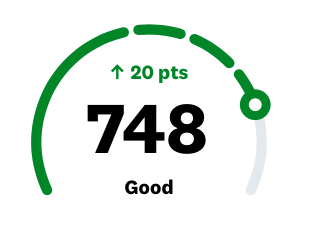
- Always, always, always pay your credit card(s) on time.
- When possible, pay off the entire balance on your credit card(s). Keeping a balance DOES NOT build your credit.
- Be mindful of becoming an authorized user on someone’s credit card or adding one to yours. My credit score plummeted when my partner made me an authorized user on his card. While it was done with good intent, his lower credit score impacted mine greatly. I saw my credit score start to go back up once I was removed from his account. Learn more about being an authorized user here.
- Keep your credit utilization below 30%. Currently, I have three credit cards with different credit line amounts. For each card, I calculate how much I can spend until I reach the 30% utilization mark. If I can’t pay off the full balance each month, I make sure to pay it down below the 30% mark.
These are some strategies that have worked for me. If you all have any more tips to share, please add them in the comments!